Sri Lanka was connected to India until about 5000 BC. During the Pre-Cambrian period, most of the continents were joined together as Gondwanaland. The Palk Straits, which separate India and Sri Lanka, are about 35 km (23 miles) wide and were formed approximately 7,000 years ago. Due to the humid equatorial climate, no traces of the earliest humans are found.
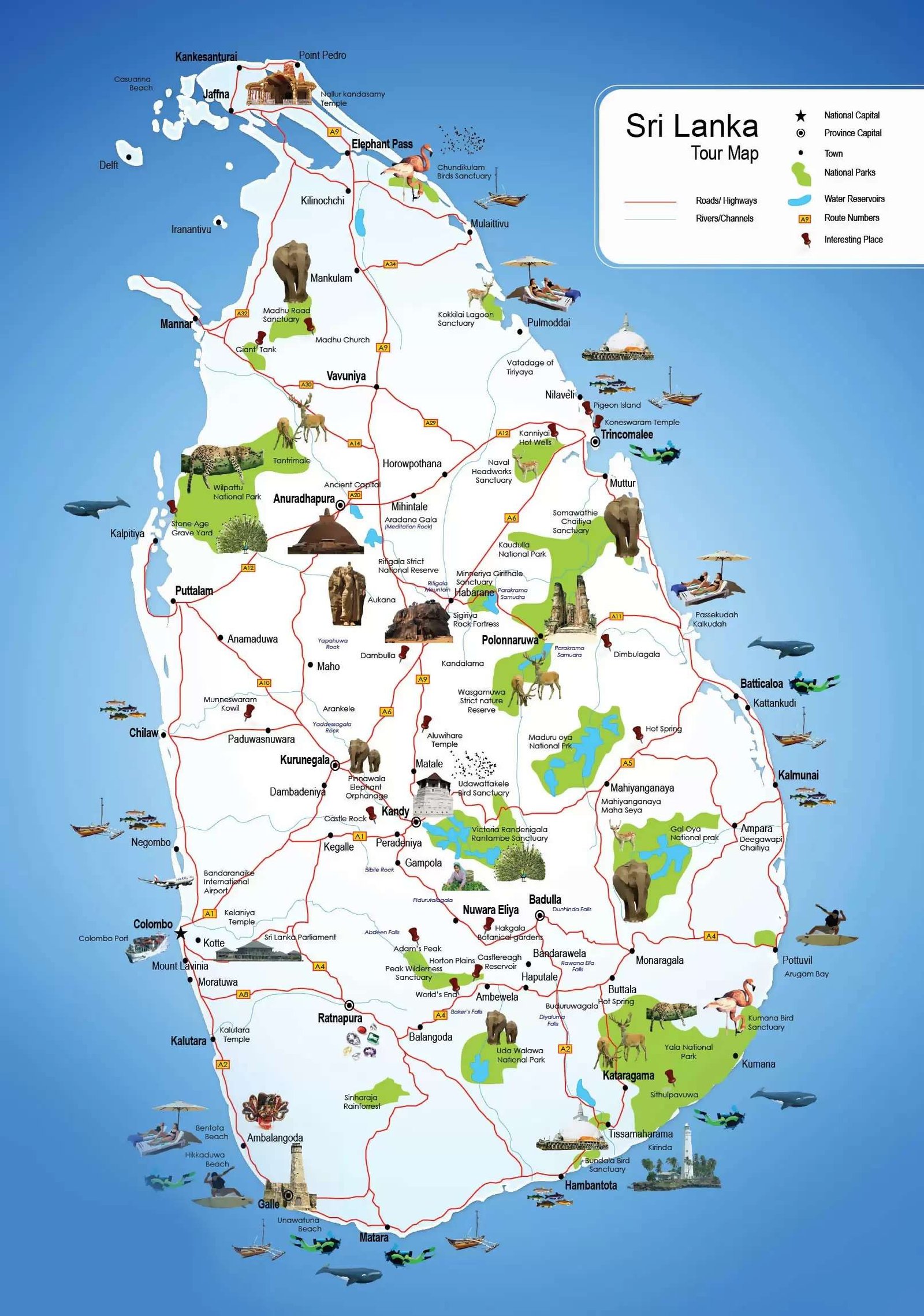
The oldest human habitats discovered in Sri Lanka are Bundala and Pathirajawela, dating back around 125,000 years. Stone implements found at these sites were made of quartz, chert, animal bones, and wood. This era is known as the Paleolithic Era, and significant research was done by Dr. Shiran Daraniyagala, former Commissioner of the Archaeological Department of Sri Lanka.
Major Prehistoric Sites in Sri Lanka:
- Batadomba Lena: 27,000–10,000 BC
- Beli Lena: 25,000–1,500 BC
- Alu Lena: Kegalle, Atthangoda
- Alugalge: Hambanthota
- Dorawaka: Warakapola
- Kabaragala: Hangamuwa